


Introduction
modular sofa vs traditional sofa has become an important search phrase because homeowners are no longer choosing furniture only by appearance. They are asking how a piece will support everyday routines, respond to changing rooms, feel after several hours of use, and age after years of cleaning and movement. An evidence-based comparison of flexibility, cost over time, moving, maintenance, and visual impact for homeowners making a long-term seating decision.
This guide translates that broad interest into a practical design process. It combines spatial planning, material literacy, comfort, craftsmanship and long-term value, while connecting each idea to real Formiing collections. The goal is not to prescribe one perfect room. It is to help you recognize the decisions that make a contemporary interior feel coherent, comfortable and genuinely personal.
What modular sofa vs traditional sofa Means in Practice
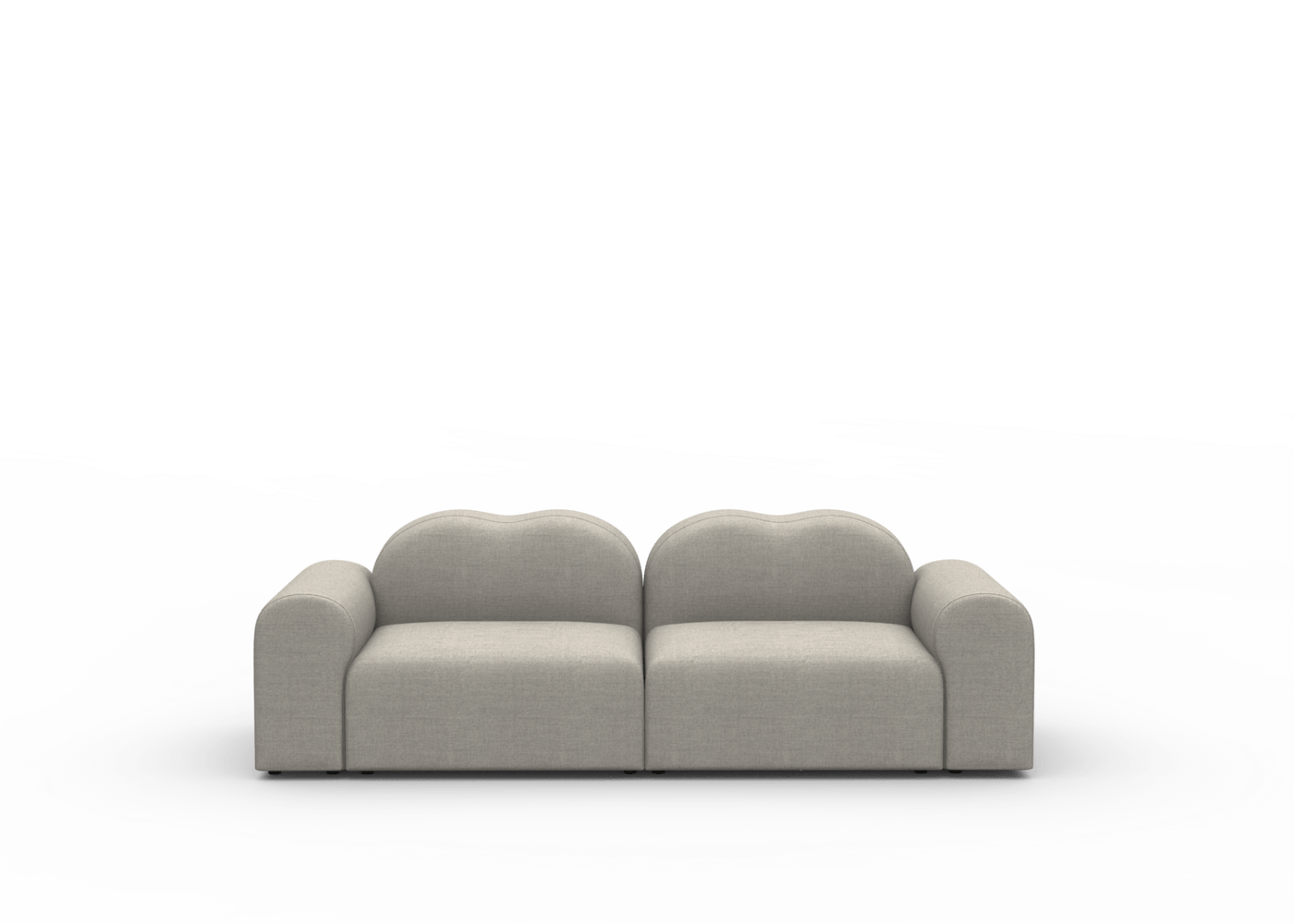
Modular seating is built as a family of compatible components rather than one immovable frame. Armless units, corners, chaises and ottomans can be combined, separated or extended as the room and household change. That distinction matters because a persuasive photograph can hide compromises in scale, support, construction or maintenance. Good design becomes clearer when the object is evaluated in relation to the room, the people and pets using it, and the expected life of the purchase.
The most important design work happens before ordering: mapping circulation, testing seat depth, deciding where visual weight belongs, and choosing a configuration that still feels balanced when individual modules are moved. Start with the activities the room must support, then rank them. Daily lounging, formal conversation, reading, working, entertaining and pet companionship create different requirements. A successful specification acknowledges the dominant activity while leaving enough flexibility for secondary uses.
Core Design Principles
Five principles make the evaluation more reliable. First, proportion should be judged against the whole room rather than an isolated product measurement. Second, comfort should be connected to posture and duration. Third, materials should be assessed for touch, maintenance and lifecycle performance. Fourth, the piece should have a clear visual role. Finally, adaptability and repair potential should be considered before short-lived novelty.
- Measure circulation: preserve comfortable walking routes and access to doors, windows and storage.
- Define the focal point: decide whether furniture should frame a view, support conversation or create a sculptural anchor.
- Test visual weight: rounded volumes, exposed legs, low backs and continuous bases change how open a room feels.
- Request material information: review swatches in morning and evening light and ask about cleaning instructions.
- Plan for change: consider moving, family growth, pets, hybrid work and future room configurations.
A Practical Planning Framework
Draw the room to scale before selecting a configuration. Mark architectural constraints, then add the clearance needed for movement. Use painter’s tape or folded sheets to represent the footprint on the floor. This simple exercise reveals whether a deep seat blocks a route, whether a lounge chair needs more turning space, or whether a coffee table leaves enough knee clearance. It also helps everyone in the household react to the real volume rather than a small online image.
Next, compare options using the same criteria. Do not let one dramatic feature dominate the decision. A beautiful silhouette is valuable, but so are cushion recovery, frame stability, fabric performance, delivery access and the possibility of servicing a component. The following table creates a balanced short list.
| Decision | What to Evaluate | Why It Matters |
|---|---|---|
| Scale | Width, depth, height and clearance | Protects circulation and visual balance |
| Comfort | Posture, support, seat depth and activity | Matches the piece to real daily use |
| Material | Abrasion, cleanability, tactility and emissions | Shapes maintenance and indoor comfort |
| Adaptability | Reconfiguration, repair and future placement | Extends useful life as needs change |
| Identity | Silhouette, color, texture and authorship | Creates a home that feels personal |
Materials, Construction and Long-Term Value
Material quality is a system. Upholstery performance depends on fiber, weave, finish, color and the structure underneath it. Foam density, springing, webbing and cushion construction influence how a seat feels after repeated use. Wood, metal and composite components should be chosen for the loads they carry, not merely for surface appearance. Ask how covers are maintained, which parts can be replaced and whether the manufacturer can support the product after delivery.
For a more responsible purchase, look beyond a single “eco” label. Low-emission materials, certified textiles, made-to-order production, reduced packaging, efficient shipping, repairability and useful life all contribute to impact. Formiing explains its approach on the sustainability and material standards page, which is a useful reference when comparing performance textiles and long-lasting construction.

How to Apply the Idea at Home
Begin with one anchor decision and build outward. For modular sofa vs traditional sofa, explore the modular sofa vs traditional sofa collection first, then compare it with Formiing product details. The first link establishes the broader category and the second shows how dimensions, materials and product character are expressed in a specific piece. Use design and material guidance when the room requires custom planning, trade coordination or a more complete interior concept.
Keep the surrounding composition edited. A sculptural sofa may need a visually quieter table; a compact chair may benefit from a bolder color; a low modular arrangement can be balanced by vertical lighting or storage. Repeating one curve, color temperature or material tone is usually more effective than matching every object. The result should feel related, not purchased as a rigid set.
Internal links are also practical planning tools. The Living Room collection offers a broad view of compatible pieces, while Compact Living is useful when footprint and multifunctionality are priorities. When seating is the main question, compare Sofas, Modular Sofas and Lounge Chairs rather than relying on a single category.
2026 Trends and Emerging Priorities
In 2026, modularity is becoming quieter and more architectural. Instead of obvious connector-driven systems, designers are using soft continuous profiles, carefully aligned seams and modules that look complete on their own. Buyers are also more attentive to the story behind a product: who designed it, whether it is made to order, how materials are selected and what support exists after purchase. This does not mean every room must look futuristic. It means the best contemporary choices combine emotional presence with measurable usefulness.
Another important direction is inclusive comfort. Homes are shared by different ages, body types, work patterns and pets. Rounded edges, varied seat heights, flexible modules and performance fabrics can make a room more welcoming without becoming visually clinical. Technology may help visualization and ordering, but the final standard remains physical: the furniture must feel good, fit the room and remain worth keeping.

Buying and Styling Checklist
- Record room dimensions, door widths, elevator limits and delivery routes.
- Photograph the space in daylight and evening light before choosing color.
- Define the main activity, the number of users and any pet-related requirements.
- Compare seat height, seat depth, back support and arm position.
- Review fabric or finish samples against floors, walls and existing objects.
- Ask about lead time, assembly, care, replacement parts and warranty support.
- Check that tables and secondary seating preserve comfortable clearances.
- Choose one expressive gesture and let supporting pieces create calm.
- Prefer a configuration that can survive at least one foreseeable life change.
- Revisit the plan after twenty-four hours before confirming the order.
Frequently Asked Questions
Is modular sofa vs traditional sofa only suitable for large homes?
No. The principle is often even more valuable in compact interiors because every centimeter and every function must be intentional. The key is choosing the correct scale and preserving circulation rather than selecting the smallest object automatically.
How should I judge quality when shopping online?
Look for complete dimensions, construction notes, material names, detailed photographs, care guidance and responsive customer support. Request swatches and ask precise questions about cushion structure, upholstery performance, assembly and replacement components.
Which color is safest for a long-term purchase?
A versatile color is one that works with your architecture and light, not necessarily beige. Muted mineral, earth, blue, green and warm neutral tones can remain flexible when their undertone relates to floors, walls and other permanent surfaces.
Should every piece in a modern room match?
No. Contemporary rooms gain depth from controlled contrast. Repeat two or three visual cues—such as a curve, a warm metal, a wood tone or a fabric texture—while allowing different silhouettes to express individual character.
Where can I get help with a more complex project?
Formiing’s Design Services can support spatial planning and customization, while the Trade Program is the relevant route for interior designers, architects and professional projects.
Conclusion
Modular Sofa vs Traditional Sofa: Which One Is Better for Modern Homes? is ultimately a question of alignment: the relationship between object and room, comfort and appearance, present needs and future change. Use measurements and material information to reduce uncertainty, but leave room for emotional connection. Furniture is encountered every day, so a well-chosen piece should make the home easier to inhabit as well as more expressive.
Explore Formiing’s soft and sculptural design philosophy and use the linked collections above to turn the ideas in this guide into a considered, long-lasting interior.


